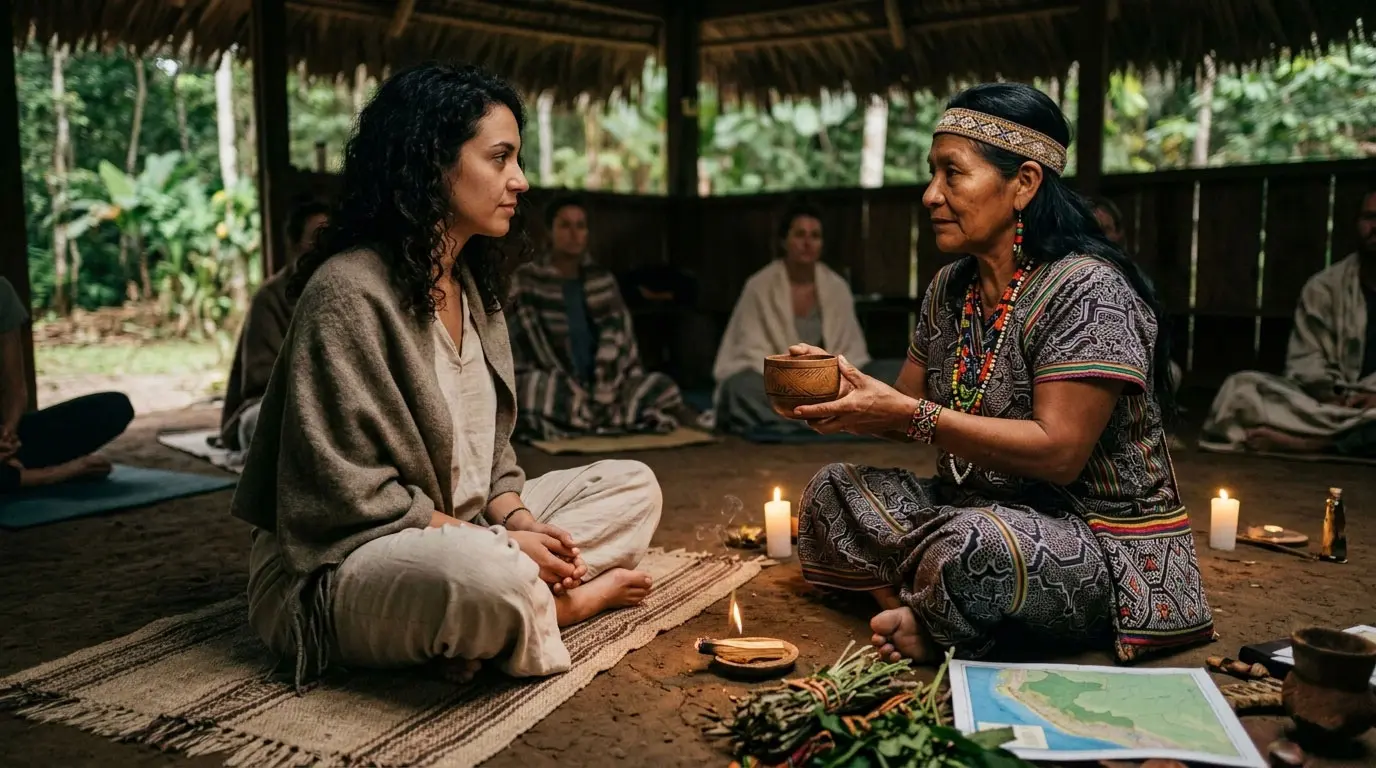
For many people exploring transformational retreats and plant medicine healing, the most common question is what to expect first ayahuasca ceremony and where can i have an ayahuasca experience. Stories about emotional breakthroughs, vivid visions, and deep spiritual insights can sound both fascinating and intimidating. Knowing what happens before, during, and after the ceremony can help you approach the experience with the right mindset, preparation, and respect.
Ayahuasca ceremonies have been practiced for centuries by Indigenous communities across the Amazon basin. The sacred brew is traditionally used for spiritual guidance, emotional healing, and personal transformation. Today, carefully guided retreats allow people from around the world to experience this ancient medicine within a supportive and intentional environment.
If you are preparing for your first ceremony, understanding the full journey, from preparation to integration, can make the experience more meaningful and less overwhelming.
Understanding the Sacred Medicine
Ayahuasca is a ceremonial plant medicine traditionally prepared using the Banisteriopsis caapi vine combined with leaves containing the psychoactive compound DMT. When brewed together, these plants create a powerful mixture that produces altered states of consciousness lasting several hours.
In traditional Amazonian cultures, ayahuasca is not viewed as a drug but as a sacred teacher. Indigenous healers believe the medicine reveals emotional wounds, limiting beliefs, and hidden patterns that may be blocking personal growth.
Participants often report experiences such as:
- Deep emotional release
- Insight into personal struggles
- Spiritual connection
- Greater clarity about life direction
Rather than simply creating hallucinations, the medicine often acts as a mirror, helping people confront unresolved emotions and rediscover a deeper sense of purpose.
Preparing for Your First Ayahuasca Ceremony
Preparation is considered one of the most important aspects of the ayahuasca journey. Traditionally, participants spend time cleansing the body and preparing mentally and spiritually.
The Ayahuasca Dieta
Most retreats recommend following a preparation diet in the days or weeks leading up to the ceremony. This is known as the “dieta.”
Participants are typically advised to avoid:
- Alcohol
- Recreational drugs
- Processed foods
- Red meat
- Excessive sugar and salt
- Certain medications that may interact with ayahuasca
This dietary preparation helps detoxify the body and may make the experience clearer and more manageable.
Emotional and Mental Preparation
Equally important is preparing your mindset. Many facilitators encourage participants to reflect on their intentions before arriving.
Examples of intentions might include:
- Healing emotional trauma
- Understanding life direction
- Releasing anxiety or negative patterns
- Reconnecting with a sense of purpose
While the medicine may not always answer questions in the way we expect, entering the ceremony with a sincere intention can guide the process.
Medical Screening
Responsible retreats carefully screen participants before allowing them to join. Certain medications, particularly antidepressants and MAO inhibitors, can interact with ayahuasca and must be avoided.
Medical questionnaires and consultations ensure the ceremony is safe for each individual.
The Ceremony Environment
A typical ayahuasca ceremony takes place in a quiet ceremonial space designed to encourage introspection. Participants sit or lie on individual mats arranged in a circle, each with a blanket, bucket, and personal space.
Many ceremonies take place in nature-rich environments where the peaceful surroundings enhance the experience. Retreats in the mountains near Medellín are known for providing an atmosphere of deep reflection and spiritual connection.
Lighting is usually dim, and participants are encouraged to focus inward. Silence and music guide the process rather than conversation.
An experienced shaman or facilitator leads the ceremony, ensuring safety and energetic balance throughout the night.
Drinking the Medicine
The ceremony begins when participants are invited one by one to approach the facilitator and receive a small cup of the brew.
The taste is often bitter and earthy. After drinking, participants return to their mats and wait quietly for the effects to begin.
Most people begin to feel the medicine within 30 to 60 minutes, though timing varies. Some ceremonies include additional servings later in the night depending on the needs of the group.
The key during this stage is patience and surrender. Trying to control the experience often makes it more difficult.
The Journey Begins
As the medicine takes effect, participants may begin to experience changes such as:
- Heightened sensory awareness
- Emotional memories surfacing
- Visual imagery or visions
- A feeling of deep introspection
Each experience is unique. Some journeys are gentle and contemplative, while others involve confronting deeply buried emotions.
Participants may revisit childhood memories, relationship patterns, or internal struggles they have been avoiding.
The medicine often reveals these insights symbolically through visions or emotional sensations.
The Purging Process
One of the most well-known aspects of ayahuasca ceremonies is purging.
Purging may include:
- Vomiting
- Crying
- Trembling
- Emotional release
In traditional understanding, purging is not viewed negatively. Instead, it represents the body releasing emotional or energetic blockages.
Many participants initially fear this stage but later describe it as one of the most healing parts of the experience.
It is often accompanied by feelings of relief and clarity afterward.
The Role of Music and the Shaman
Music plays an essential role in ayahuasca ceremonies. Shamans often sing traditional healing songs called icaros, which guide the energy of the ceremony.
These songs are believed to help participants navigate their journeys, calm difficult moments, and deepen emotional breakthroughs.
Facilitators may also move around the room offering energetic support to individuals who are struggling.
The presence of experienced guides is one of the reasons participating in a structured retreat is so important.
The End of the Ceremony
Ayahuasca ceremonies typically last between four and eight hours and often take place overnight.
As the medicine gradually wears off, participants begin to feel calmer and more grounded.
Some people experience a sense of peace, gratitude, or emotional release. Others may remain reflective as they process the insights they received.
The ceremony often ends with a quiet moment of gratitude or sharing among participants.
Integration: Turning Insights Into Change
The ceremony itself is only the beginning. The real transformation occurs during integration.
Integration is the process of applying insights from the ceremony into everyday life. Without it, the lessons from the experience may fade.
Effective integration practices include:
- Journaling your insights
- Meditation and breathwork
- Group sharing sessions
- Post-retreat coaching or support calls
Many retreats now include structured integration programs to help participants turn their experiences into lasting personal change.
Where to Experience an Ayahuasca Retreat
For many people exploring plant medicine for the first time, a common question arises: where can i have an ayahuasca experience that is both authentic and safely guided? The environment, facilitators, and preparation process all play an important role in shaping a meaningful and responsible ceremony.
One trusted retreat option is Ayahuasca Colombia, which offers immersive healing retreats designed to help participants explore the transformative potential of ayahuasca in a supportive setting.
Located near the beautiful mountains of Medellín, our retreats combine traditional Amazonian plant medicine wisdom with supportive integration practices to help participants safely explore the profound insights that can arise during an ayahuasca journey.
For more than seven years, our carefully curated retreats have welcomed participants from around the world who seek clarity, healing, and personal growth.
What the 9-Day Retreat Includes
Participants experience a comprehensive healing program designed to support both the ceremony and the integration process:
- Personalized preparation guidance before arrival
- Accommodation in a peaceful Andean mountain finca
- Three traditional Ayahuasca (Yagé) ceremonies guided by an experienced Indigenous shaman
- Sacred rituals including Cacao ceremony, Kambo detox, and Tobacco cleansing
- Emotional healing workshops and integration sessions
- Live healing music and group sharing circles
- Gourmet Ayurvedic meals prepared by a professional chef
- Two months of post-retreat integration support and community calls
Many guests join the retreat while navigating challenges such as burnout, emotional blockages, trauma, relationship struggles, or a sense of spiritual disconnection. Through this immersive experience, known as “The Way of Fire”, participants often rediscover clarity, inner peace, and a renewed sense of purpose.
Reserve Your Spot
The retreat investment is $6,500 USD per participant, with a $500 deposit required to secure your place. Because group sizes are intentionally small to maintain a safe and intimate setting, spaces tend to fill quickly.
If you are ready to begin a powerful journey of healing and self-discovery, apply today to join the next retreat with Ayahuasca Colombia.
Final Thoughts
Understanding what to expect first ayahuasca ceremony can transform uncertainty into readiness. While the journey can be emotionally intense, it is also deeply rewarding for those seeking healing, clarity, and spiritual growth.
Participants often describe their first ceremony as a turning point, an experience that helps them release old wounds, reconnect with themselves, and move forward with renewed purpose.
With proper preparation, experienced guidance, and thoughtful integration, ayahuasca ceremonies can offer a powerful opportunity for lasting personal transformation.
Frequently Asked Questions
- What happens during your first ayahuasca ceremony?
During a first ayahuasca ceremony, participants typically gather in a quiet ceremonial space where a trained facilitator or shaman guides the experience. After drinking the ayahuasca brew, people may experience emotional releases, visions, deep reflection, or physical cleansing such as purging. The ceremony often includes music, prayer, or traditional healing songs that help guide the journey.
- How should you prepare for your first ayahuasca ceremony?
Preparation usually involves following a special diet called the “dieta,” avoiding alcohol, processed foods, and certain medications for several days or weeks before the ceremony. Many facilitators also recommend meditation, journaling, and setting a clear intention for what you hope to learn or heal during the experience.
- How long does an ayahuasca ceremony last?
Most ayahuasca ceremonies last between 4 and 8 hours. The effects of the brew typically begin within 30–60 minutes and gradually deepen before slowly fading. The full experience often continues through the night and may be followed by group discussions or integration sessions the next day.
- Is ayahuasca safe for first-time participants?
Ayahuasca can be safe when experienced in a properly guided setting with experienced facilitators and proper preparation. However, it may not be suitable for everyone, especially individuals taking certain medications or those with specific medical conditions. Screening and preparation are important steps before attending a ceremony.
- Where are ayahuasca ceremonies commonly held?
Ayahuasca ceremonies are traditionally held in regions of the Amazon rainforest, particularly in countries such as Peru, Brazil, and Colombia. In recent years, organized retreats have also become popular for international participants seeking guided plant medicine experiences in structured environments.